How are graphite parts made
Leave a message
How are graphite parts made?
The Manufacturing Process of Graphite parts
Although graphite parts may appear ordinary, they are composed of a material with exceptional properties, widely utilized in fields such as nuclear reactors, semiconductor manufacturing, metallurgy, and aerospace. So, how exactly are these precision graphite partts produced?
The first step in manufacturing graphite parts is selecting the appropriate raw materials. Industrially, petroleum coke or pitch coke is typically used as the base aggregate; these raw materials are characterized by their high carbon content and low impurity levels. After the coke is crushed into powder, it is mixed in specific proportions with binders-such as coal tar pitch-and fed into a kneader, where it is heated and stirred to form a malleable, paste-like mixture.
The second step is forming. Depending on the shape requirements of the final component, various methods may be employed, including mold pressing, isostatic pressing, or extrusion. For instance, simple block-shaped parts can be formed using a hydraulic press; slender rods or tubes are produced via the extrusion process; while isostatic pressing is utilized to manufacture high-end products with complex geometries and excellent isotropic properties. At this stage, the formed green bodies remain relatively soft and possess very low mechanical strength.
Next comes the critical heat treatment phase. First, the formed green bodies are placed into a baking furnace and slowly heated to approximately 1000°C under oxygen-free conditions. This process, known as baking (or carbonization), serves to carbonize the binder, thereby firmly bonding the aggregate particles together to form a carbon-based product with a certain degree of mechanical strength. However, at this stage, the material still contains a significant number of internal pores, and its density and strength have yet to reach their optimal levels.
To enhance density, an impregnation treatment is required: the baked products are placed in an autoclave, where a vacuum is drawn before liquid pitch is injected. This forces the pitch to permeate the internal pores, after which a second baking cycle is performed. This impregnation-and-baking cycle may be repeated two to three times, resulting in a significant improvement in the material's density and mechanical strength.
After undergoing multiple cycles of impregnation and baking, the material enters its final high-temperature processing stage: graphitization. At extremely high temperatures ranging from 2600°C to 3000°C, the atomic arrangement within the carbon structure undergoes a transformation, shifting from a disordered, turbostratic structure to an ordered, crystalline graphite structure. This process endows the material with exceptional electrical conductivity, thermal conductivity, and high-temperature resistance.
The final step is precision machining. Following graphitization, the graphite blocks undergo precision machining-including cutting, turning, milling, and drilling-using diamond tools to produce a variety of intricate components in strict accordance with engineering drawings. For applications demanding ultra-high purity, the materials undergo further high-temperature chlorine treatment or halogen purification to eliminate trace impurities.
Through these complex and meticulous processes, ordinary blocks of coke are ultimately transformed into graphite components of exceptional performance, playing an indispensable role across both industrial and high-tech sectors.
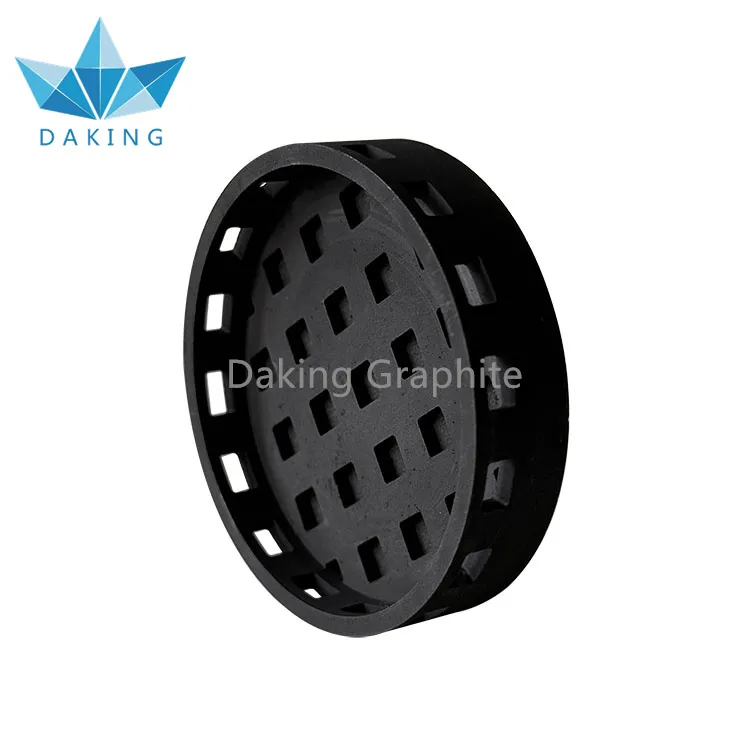
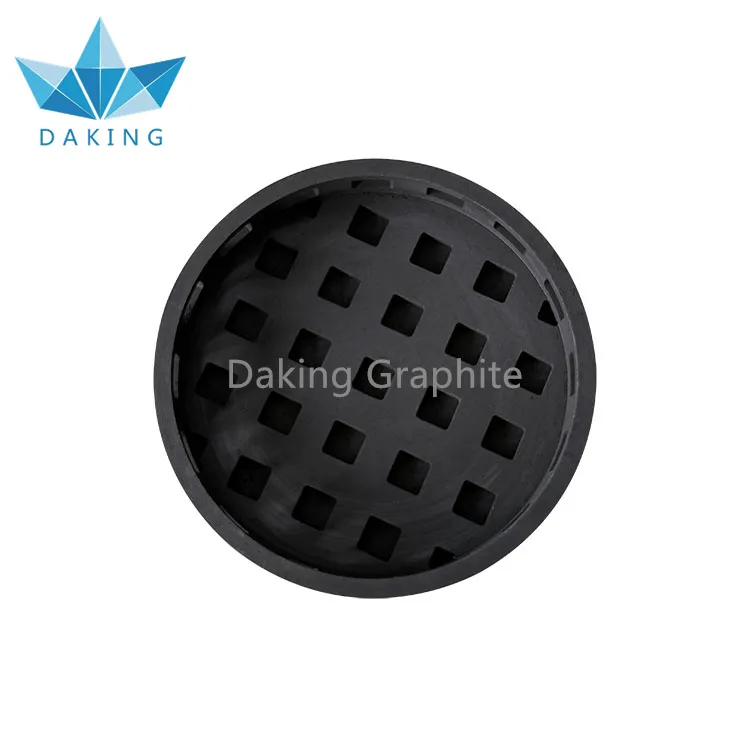
Application Industry

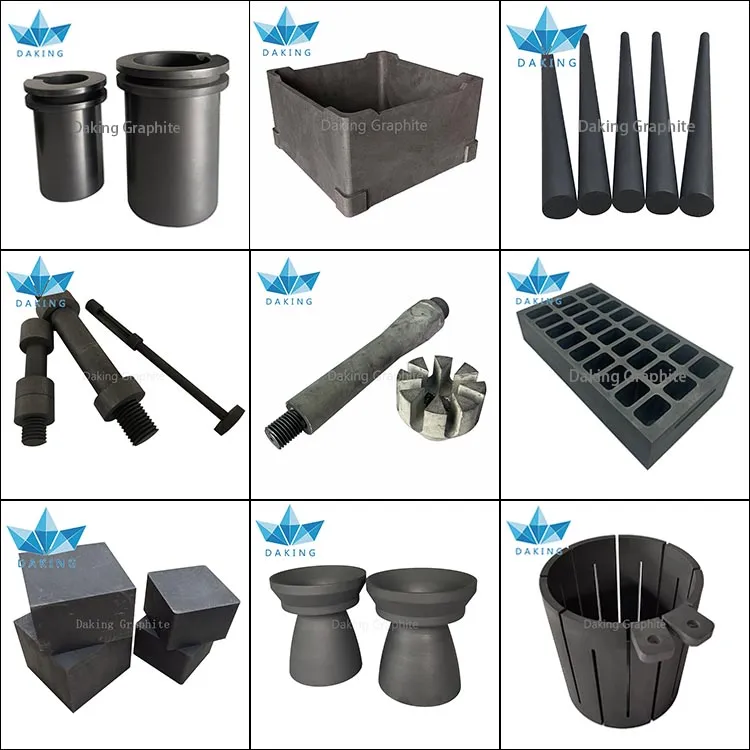
Related Products
About Us
FAQ