


What Is Graphite Plate
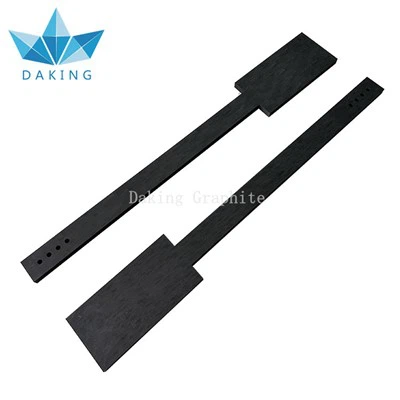
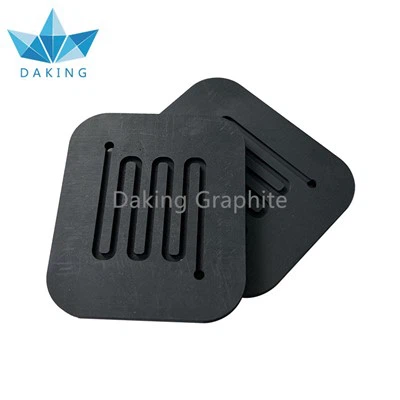
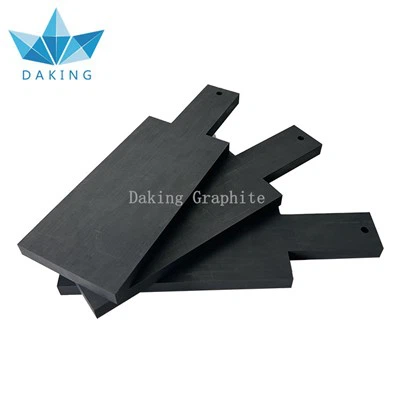
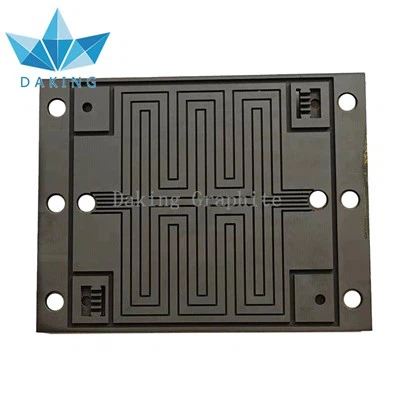
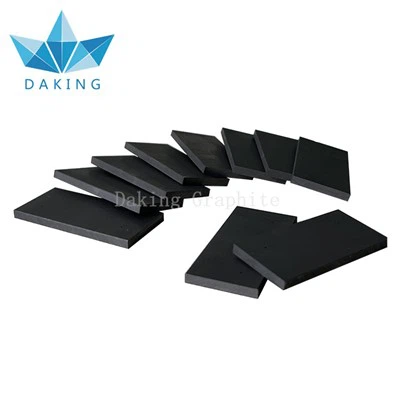
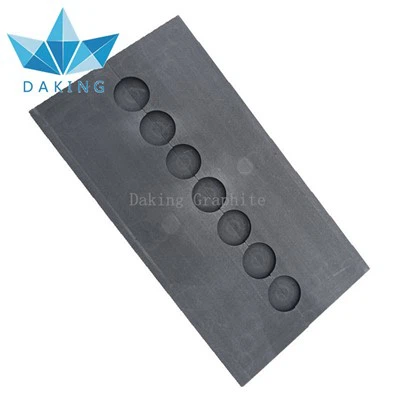
Graphite plate is a plate made of processed graphite material. It inherits many excellent properties of graphite, such as high electrical conductivity, high thermal stability, good chemical stability and unique lubrication properties.
Why Choose Us?
Quality products: The company is committed to providing customers with high quality graphite raw materials and precision graphite products processing.
Rich experience: We have years of industry experience and a team of experienced engineers and technicians to ensure consistent precision and high quality of our products.
Reliable service: Our team is committed to providing reliable and consistent service, ensuring that you receive high-quality products and customer support from us every time.
One-stop solution: We are one of China's professional production, research and development, sales of graphite mold manufacturers.


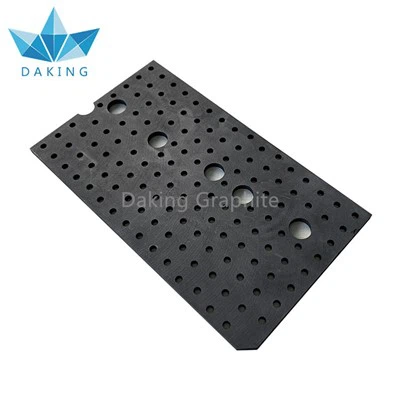
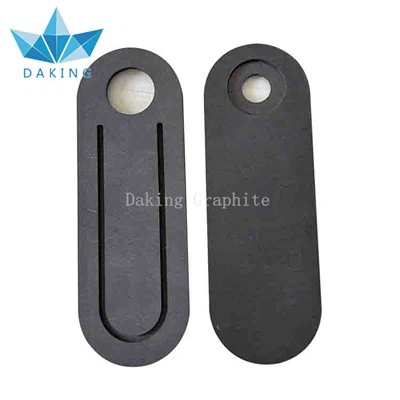
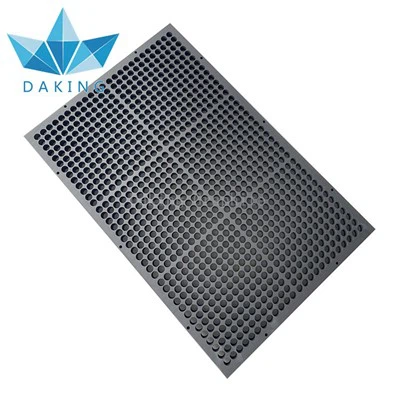
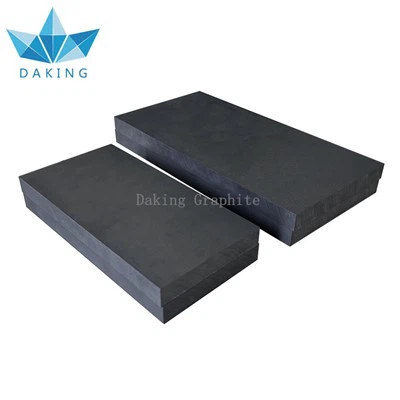
The Advantages Of Graphite Plates
1. Good isotropy, characteristics independent of size, shape, and sampling direction.
2. Uniform structure, dense, and strong antioxidant capacity.
3. Excellent self-lubricating properties.
4. Good resistance to chemical corrosion.
5. High thermal conductivity and thermal stability performance.
6. Sufficient mechanical strength and impact resistance.
7. Easy to machine and can be processed into various geometric shapes according to requirements.
What Are the Uses of Graphite Plate in Industrial Production
Graphite, a seemingly ordinary but magical substance, has played an important role in many fields such as science, industry and art since its discovery. Graphite plate, as an important application form of graphite, leads the way in many fields with its unique properties.
many excellent properties of graphite, such as high electrical conductivity, high thermal stability, good chemical stability and unique lubrication properties.
In the field of science and technology, graphite plates are widely used in the electronic and electrical industries due to their excellent conductive properties. For example, graphite plates play an indispensable role in the fields of integrated circuits, semiconductor devices, and new energy batteries. In addition, graphite plates also have good thermal conductivity properties, so they are also widely used in high-tech fields such as aerospace and nuclear energy.
In the industrial field, graphite sheets' wear resistance, high temperature resistance and corrosion resistance make them ideal for many industrial equipment. For example, in petrochemical, steel smelting and other industries, graphite sheets are often used as sealing materials, wear-resistant parts and anti-corrosion coatings. At the same time, the lubrication properties of graphite plates make them widely used in machinery manufacturing, mold manufacturing and other fields.
In the field of art, graphite plates also show their unique charm. Graphite sheets have good plasticity and colorability and can be shaped into various shapes. At the same time, they can also present rich colors through different coloring processes. This makes graphite sheets widely used in art fields such as sculpture and painting. Artists can use graphite sheets to create works of art that are both uniquely beautiful and functional.
The applications of graphite sheets go far beyond this. With the continuous development of science and technology, the applications of graphite sheets in new energy, environmental protection, biomedical and other fields are also constantly expanding. For example, in the field of new energy, graphite plates can be used to prepare high-performance lithium-ion battery anode materials; in the field of environmental protection, graphite plates can be used in sewage treatment and air purification; in the field of biomedicine, graphite plates can be used to prepare biosensors and Drug carriers, etc.
Graphite plate, as a unique and important material, plays an important role in many fields such as technology, industry, and art. With the continuous advancement of science and technology and the continuous expansion of application fields, the application prospects of graphite plates will be broader.
Types of Graphite Plate
Graphite plate is widely used in metallurgy, chemical industry, electrochemistry, and other industries because of its good conductivity, high-temperature resistance, acid resistance, alkali corrosion resistance, and easy processing. The biggest use of graphite plates is in the semiconductor field, but it is also widely used in solar cells, sensors, Nano Electronics, high-performance nanoelectronic devices, composite materials, field emission materials, and other fields.
Graphite Baffle Plate
It has high-temperature resistance, high density, stable chemical properties, strong acid-alkali corrosion resistance, excellent conductivity and heat conductivity, long service life, and is widely used in the chemical industry, machinery, and other fields.
01
Graphite Anode Plate
Anode graphite plate has good heat resistance, good conductivity, and heat conduction is easy to machine, good chemical stability, acid-alkali corrosion resistance, and low ash content, and is widely used in the preparation of chlorine in electrolyzed water solution.
02
Graphite Mill Liner Plate
Graphite liner plate has the characteristics of excellent chemical corrosion resistance, heat conductivity, thermal stability, small proportion, high mechanical strength, nonpolluting medium, and good wear resistance.
03
High Purity Graphite Plate
It is produced by a strict high-purity graphite process. High purity graphite has good electrical conductivity, high-temperature resistance, acid resistance, alkali corrosion resistance, and easy processing.
04
Isostatic Pressing Graphite Plate
It has good heat resistance, and its mechanical strength will increase with the increase of temperature in an inert atmosphere, and reach the highest value at 2500 ℃.
05
Method of Selecting Suitable Graphite Plate
There are many kinds of graphite plates with different properties, which can be used in the fields of electrochemistry, metallurgy, chemical industry, etc
● Mechanical: The graphite anode plate for machinery needs to use the raw material with good friction resistance and lubrication, and it is the kind of graphite with relatively large density and small particles.
● Electrical conductivity: The carbon graphite plate with good conductivity generally selects the relatively large particle, because the large graphite particle has the advantages of high current resistance and is not easy to break. Graphite anode plate manufacturers choose raw materials with a good graphitization degree for processing, because this type of graphite has a soft texture and good conductivity.
Driving Forces of the Graphite Plates Market
Technological advancements: Continuous innovations in technology enhance the efficiency and effectiveness of graphite plates products and services, including advancements in materials, manufacturing processes, and digital technologies.
Growing demand: Increasing demand for graphite plates products and services, fueled by factors such as population growth, urbanization, and changing consumer preferences, is a significant driver for market expansion.
Regulatory support: Favorable government policies, regulations, and incentives promoting the use of graphite plates, such as subsidies for renewable energy projects and carbon pricing mechanisms, stimulate market growth.
Environmental awareness: Rising awareness about environmental sustainability and the need to reduce carbon emissions drives the adoption of eco-friendly and renewable graphite plates solutions.
Cost reduction: Ongoing cost reductions in graphite plates production and installation, driven by economies of scale, technological advancements, and increased competition, make these solutions more affordable and accessible.
The Main Characteristics of Graphite Plate


1. The graphite plate has excellent self-lubrication and long service life.
2. The graphite plate has good chemical corrosion resistance, acid and alkali resistance and strong corrosion resistance.
3. The graphite plate has thermal stability and high thermal conductivity.
4. The graphite plate has strong oxidation resistance, high density and uniform structure.
5. Graphite plate has impact resistance and sufficient mechanical strength.
6. Graphite plate is easy to be machined, and personalized products can be customized according to customer needs. Graphite plates can be machined such as turning, grinding, drilling, etc., which can not only process parts with complex geometric shapes, but also meet high precision requirements.
7. The graphite plate has good isotropy, and its characteristics have nothing to do with shape, size and sampling direction.
The Application Field of Graphite Plate
High-tech: Graphite plates are also widely used in the following fields: nanoelectronics, composite materials, solar cells, sensors, high-performance nanoelectronic devices, field emission materials, etc.
Metallurgy: Graphite plate can be used for refractory materials and coatings, making high-temperature crucibles for smelting, and making protective agents for steel ingots, etc.
Machining: The machining fields of graphite plates are as follows: catalysts in the fertilizer industry, electrodes in the battery industry, carbon brushes in the electrical industry; making electrodes and pencil leads, lubricants in the machinery industry, etc.
Semiconductors: The largest application area is the use in semiconductors, and graphite plates can also be used as conductors.
Deep processing: After deep processing, flake graphite can produce the following high-tech products, such as: graphite anti-friction additives, graphite products, graphite sealing materials and composite materials, graphite milk, etc., which have become important non.
There are two types of graphite
Natural graphite and artificial graphite can be used for very different purposes. Natural graphite is mined and traditionally used for refractories as a substitute for asbestos, and of course for pencils. More recently it is used in batteries for electric vehicles.
Artificial graphite is made from pitch and coke particles. It is commonly used as electrodes in electric arc furnaces, moderators in nuclear power stations, micro-circuits on silicon chips and semiconductors. Artificial graphite can also be used in electric vehicle batteries!
Graphite can be found in volcanic vents
Natural graphite is a mineral created when carbon is subjected to heat and pressure in the Earth's crust and upper mantle. Pressure of around 75,000 psi and temperatures from 750 degrees Celsius are needed to produce graphite.
Most of the natural graphite found at the Earth's surface today was formed at convergent plate boundaries. This is where shales and limestones were subject to the heat and pressure of regional metamorphism, producing marble, schist, and gneiss that create tiny crystals and flakes of graphite.
It could survive a chemical attack
Graphite is a refractory material, meaning it is resistant to heat, pressure – or a chemical attack! Graphite was used to hold molten metal before the 1900s, and has since been used in defence. In fact, the UK's Kendal Graphite Mine shows an invoice for the supply of Graphite crucibles for cannonball production to the Napoleonic armoury.
Natural graphite is still used to hold and cast molten metals. Small crucibles can be used for gold and silver, and larger ones can be used for exotic metals. Graphite's refractory properties also cause it to be used as gaskets for high-temperature seals.
Graphite and diamonds are alike
Graphite and diamonds have more in common than many may think! They are both polymorphs, which are minerals that have the same chemical composition (in this case, carbon), but different crystal structures.
In graphite, carbon atoms are linked in hexagonal sheets that resemble chicken-wire fencing. These sheets slide over each other easily, which links to graphites lubricating properties. In diamond, carbon atoms are linked in an infinite pattern of tetrahedra (four-cornered pyramids), making them very strong.
Graphite can conduct electricity
Did you know that graphite is the only non-metal that can conduct electricity? This is because of its delocalized electrons, which move through the hexagonal molecular structure. This creates high electrical conductivity and high thermal conductivity.
Due to this property, graphite is used to transmit the huge amount of power required for electric arc furnaces. Power can be conducted through the electrode to the tip of the furnace, without heating the electrode itself. Moreover, graphite hot zones are used in vacuum furnaces to maintain a constant and controlled environment. This gives greater reliability and consistency when heat treating components for industries such as aerospace.
It can lubricate
The individual layers of hexagonal molecular structure in graphite are loosely attached to each other, meaning that one layer will easily slide over the other. Graphite bearings can replace oil and grease, which would decompose at high temperatures and lead to early bearing failures.
Lubricating graphite bearings can take high loads and are light weight, making them perfect for aeroplanes. They can keep the weight down of the planes, making them much more efficient for flight.
Graphite is used for nuclear applications
Graphite bricks are used at the centre of the entire UK's Advanced Gas-Cooled Reactors (AGRs). The bricks are a crucial safety function, working as neutron moderators which help the nuclear reactor to keep going and stay controlled.
Each reactor core is 10 metres high and weighs 1400 tons – equivalent to 110 double-decker buses. The graphite bricks are an important part of this structure, slowing the speed of neutrons and providing the structure that CO2 gas flows through.
Graphite can save the planet
Graphite manufacturing is renowned for being highly energy-intensive, with the process for one tonne of graphite requiring enough energy for 1.5 million mobile phone charges. We recover used and damaged electrodes and recondition them into green graphite electrodes. This energy-efficient process produces 99% less carbon emissions than the manufacturing process of new graphite electrodes and stops thousands of tonnes of graphite from being sent to landfill sites.
Cleaning Methods For Graphite Plates
Graphite plates have excellent conductivity, heat transfer, heat resistance, and good organic chemical reliability, making them widely used in industries such as metallurgy, chemical engineering, and electrochemistry. However, how should they be cleaned after use?
Take out the graphite plate that has been soaked for 30 minutes from the soaking solution, place the electroplating equipment flat on a wooden frame, and rinse the surface of the equipment with 240 # -320 # water sandpaper. When wiping, hold the positive electrode plate with one hand and gently press the sandpaper with the other hand. Rinse with tap water until the dirt is removed, and then clean the conductive part of the hook with sandpaper. After cleaning, rinse the entire equipment with flowing water and check if there are any stains on the surface. If there are any, clean it again, then empty the cleaning tank, rinse it with tap water, put it in pure water, soak it in pure water, and clean the equipment. After production, hang it on the anode rod and cover it with the anode rod cover.
One thing to note is to wear an apron, rain shoes, gloves, and safety helmet before cleaning. Remember to wash the gloves with water, acid, or water before allowing them to work. Add 109 sodium hydroxide solution to the cleaning tank prepared for cleaning equipment. Open the anode rod cover plate, gently present the graphite plate from the anode rod with both hands, and transfer it to the graphite cleaning tank for soaking for 30 minutes.
After cleaning, please drain the cleaning tank, clean it with drinking water, and then soak it in pure water. This needs to be hung on the pole during production.
During the entire cleaning process, it should be handled with care to prevent equipment breakage. When extracting or installing equipment, remember to enter and exit vertically and do not touch the anode plate; When extracting or installing anode plates, production is strictly prohibited to ensure safety.
Graphite Plate Fault Maintenance Method
For different graphite plate fault types, maintenance methods are also different. The following are some common graphite plate fault maintenance methods:
Crack repair
For minor cracks, repair can be done by applying adhesive to the crack. If the crack is more serious, it is necessary to replace the damaged part or the whole piece.
Deformation correction
For graphite plates with light deformation, it can be corrected by mechanical pressure. If the deformation is severe, it may be necessary to replace the graphite sheet as a whole.
Ablation treatment
In high temperature environment, the ablation of graphite plate is inevitable. In order to extend the service life of the graphite plate, the surface of the graphite plate can be coated with high temperature resistant coating to reduce the degree of ablation.
Troubleshooting of the control system
If the control system is faulty, check the hardware and software of the control system to ensure that the parameters are correctly set and the system runs stably. The control system can be inspected and maintained by regular maintenance and testing.
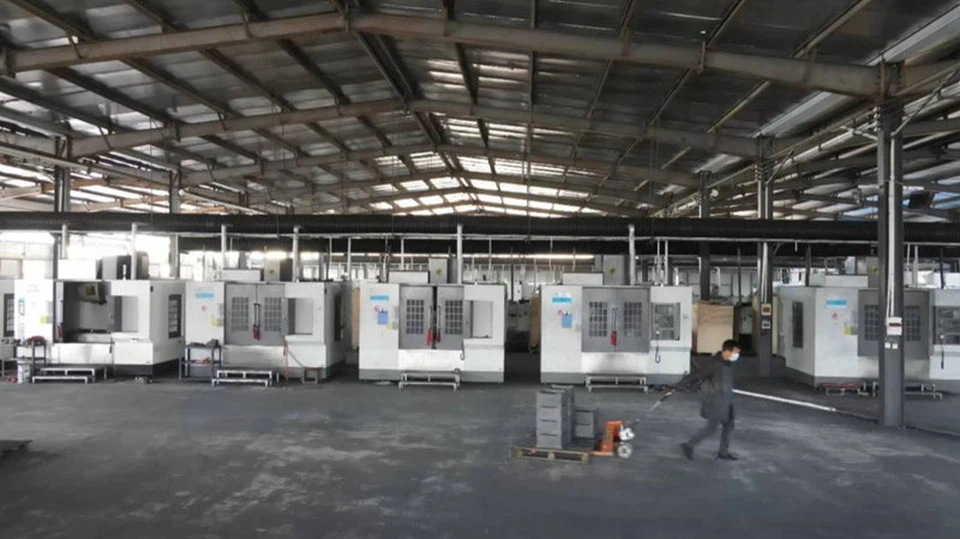
Our Factory
Henan Daking Import and Export Co., Ltd. (Henan Daking for short) is one of China's professional production, research and development, sales of graphite mold manufacturers. The company is committed to providing customers with high quality graphite raw materials and precision graphite products processing. The raw materials used by our company, such as isostatic pressed graphite, molded graphite and EDM graphite, have the characteristics of high strength, good thermal shock resistance, high temperature resistance, corrosion resistance and strong oxidation resistance.

FAQ
We're professional graphite plate manufacturers and suppliers in China, specialized in providing high quality customized service. We warmly welcome you to buy high-grade graphite plate made in China here from our factory.
Heat Conduction Graphite Plate, Graphite Plate for Fuel Cell, Industrial Grade Graphite Plates